Water and Sanitation
Water and Sanitation: Ensuring Clean Water Access and Hygiene for All
At IPAO, we believe access to clean water and safe sanitation is not a privilege but a basic human right. Guided by our mission to promote health, sustainability, and resilience, we are transforming lives across Bangladesh by addressing the country’s most pressing water and sanitation challenges through inclusive, sustainable, and innovative solutions.
Why It Matters
In regions like Nilphamari, Satkhira, and the coastal belts of Bangladesh, millions face daily struggles to access safe drinking water and hygienic sanitation. Contaminated water, lack of infrastructure, and the increasing threats of climate change contribute to widespread health risks, particularly among vulnerable populations.

SDG 6: Clean Water and Sanitation
SDG 7: Affordable and Clean Energy
SDG 10: Reduced Inequalities
SDG 12: Responsible Consumption and Production
SDG 3: Good Health and Well-being
Our Impact: Practical, Scalable Solutions
1. Water Towers for Reliable Access
To ensure a steady supply of clean water in underserved areas, we have constructed multiple solar-powered water towers in Nilphamari. These towers store and distribute safe water to surrounding communities, reducing dependency on distant or unsafe water sources. Additional towers are under construction in Satkhira, further extending our reach.
2. Tubewell Installations
We have expanded access to groundwater by installing tubewells in remote communities. These wells provide clean, easily accessible water for drinking, cooking, and personal hygiene, dramatically reducing the risk of waterborne illnesses like diarrhea and cholera.
3. Water Treatment Systems
In areas where groundwater is contaminated or unsafe, we deploy purification systems including filtration, chlorination, and UV treatment. These technologies ensure that families can safely consume water without fear of disease, directly supporting community health and resilience.
4. Desalination Projects in Coastal Areas
In salinity-affected coastal regions like the Sundarbans, we are leading with innovation. Our solar-powered desalination plants convert seawater into clean, drinkable water, offering a sustainable and renewable solution to water scarcity.
5. Wastewater Reuse Initiatives
To reduce water waste and alleviate pressure on freshwater sources, IPAO has integrated wastewater reuse systems. Treated wastewater is repurposed for agricultural irrigation, industrial use, and household sanitation. This effort exemplifies sustainable water management and contributes to climate resilience.
Pro
Promoting Dignity through Sanitation
moting Dignity through Sanitation
1. Toilet Construction in Nilphamari
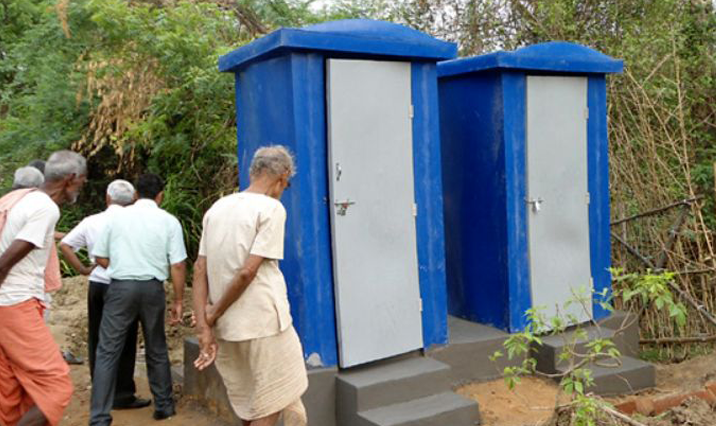
Recently, IPAO successfully built 50 safe, hygienic toilets in Nilphamari. These include family latrines, community toilets, and facilities for people with disabilities. Each structure was designed to reduce open defecation and improve hygiene across entire communities.
2. Inclusive Sanitation Facilities
Our commitment to equity extends to every project. Toilets built by IPAO are accessible to individuals with disabilities, incorporating ramps, handrails, and user-friendly layouts to ensure dignity for all.
3. Rainwater Harvesting Toilets
In water-scarce regions, we implement rainwater harvesting systems to supply water for flushing and maintaining hygiene. This innovative model optimizes natural resources while ensuring proper sanitation.
4. Hygiene Education Campaigns
Infrastructure is just one part of the solution. We conduct community workshops and awareness programs on proper handwashing, waste disposal, and water conservation to nurture long-term behavioral change.
A Collective Commitment to the Future
At IPAO, we are not just delivering clean water or building sanitation facilities — we are restoring dignity, enhancing health, and building resilient futures. By combining technology, community engagement, and sustainability, our projects empower people and protect resources.
From the sun-powered water towers of Nilphamari to inclusive sanitation in Satkhira, every initiative is a testament to what we can achieve together.
https://youtu.be/Du2pW_8yPpo?si=zsKfbsbRecLMYWuV
Join us in building a healthier, more equitable future — one drop, one toilet, one community at a time.
DONATE NOW