Loading...
Loading...





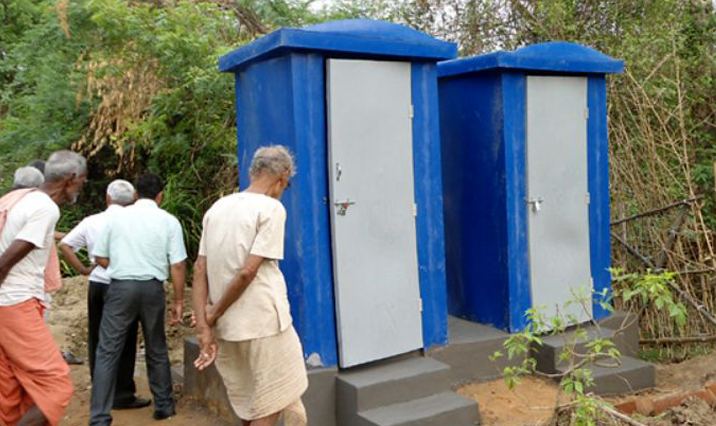
At IPAO, we believe access to clean water and safe sanitation is not a privilege but a basic human right. Guided by our mission to promote health, sustainability, and resilience, we are transforming lives across Bangladesh by addressing the country’s most pressing water and sanitation challenges through inclusive, sustainable, and innovative solutions.
In regions like Nilphamari, Satkhira, and the coastal belts of Bangladesh, millions face daily struggles to access safe drinking water and hygienic sanitation. Contaminated water, lack of infrastructure, and the increasing threats of climate change contribute to widespread health risks, particularly among vulnerable populations.

SDG 6: Clean Water and Sanitation
SDG 7: Affordable and Clean Energy
SDG 10: Reduced Inequalities
SDG 12: Responsible Consumption and Production
SDG 3: Good Health and Well-being
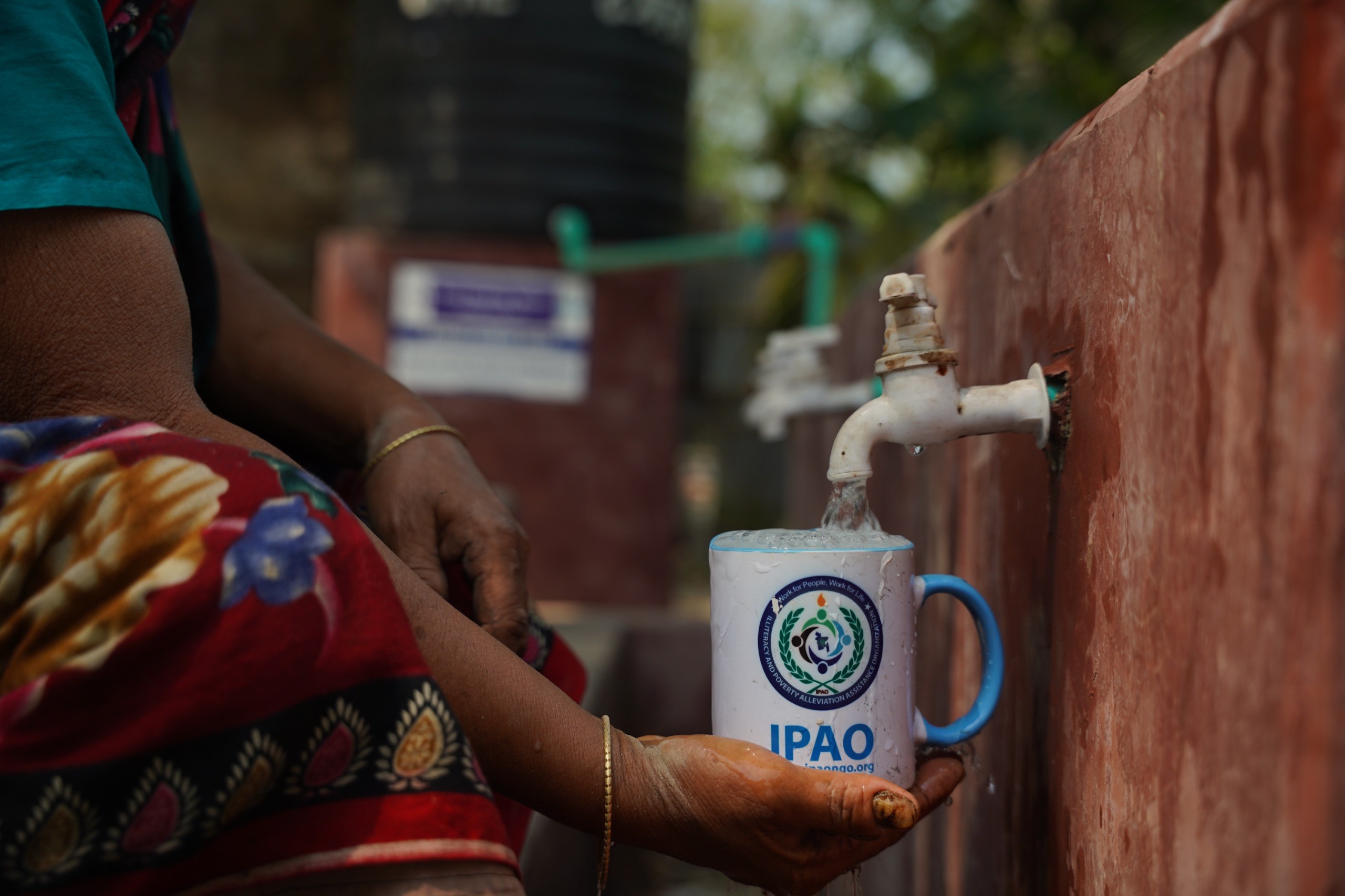
To ensure a steady supply of clean water in underserved areas, we have constructed multiple solar-powered water towers in Nilphamari. These towers store and distribute safe water to surrounding communities, reducing dependency on distant or unsafe water sources. Additional towers are under construction in Satkhira, further extending our reach.
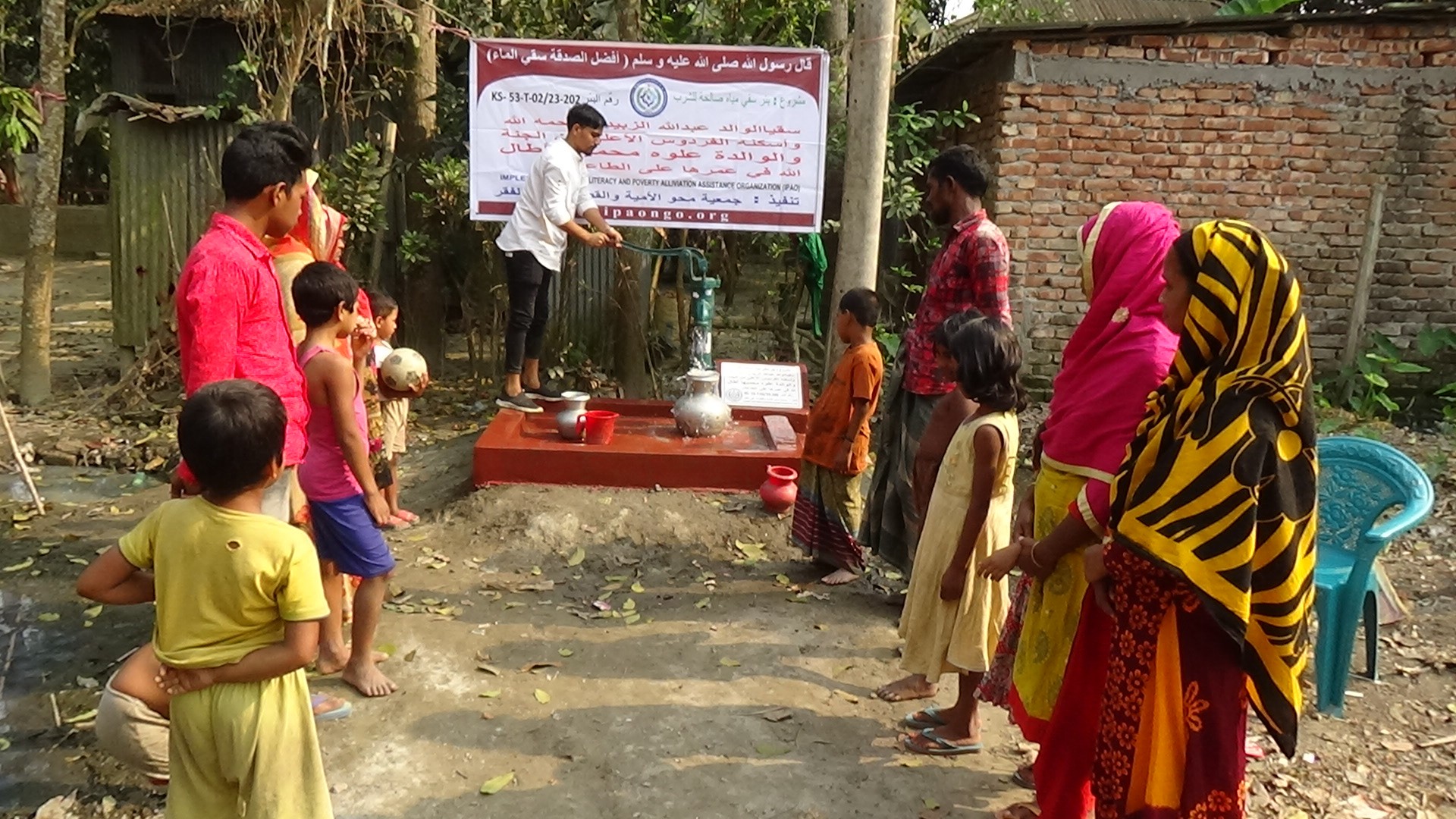
We have expanded access to groundwater by installing tubewells in remote communities. These wells provide clean, easily accessible water for drinking, cooking, and personal hygiene, dramatically reducing the risk of waterborne illnesses like diarrhea and cholera.
In areas where groundwater is contaminated or unsafe, we deploy purification systems including filtration, chlorination, and UV treatment. These technologies ensure that families can safely consume water without fear of disease, directly supporting community health and resilience.
In salinity-affected coastal regions like the Sundarbans, we are leading with innovation. Our solar-powered desalination plants convert seawater into clean, drinkable water, offering a sustainable and renewable solution to water scarcity.
To reduce water waste and alleviate pressure on freshwater sources, IPAO has integrated wastewater reuse systems. Treated wastewater is repurposed for agricultural irrigation, industrial use, and household sanitation. This effort exemplifies sustainable water management and contributes to climate resilience.
 DONATE NOW